


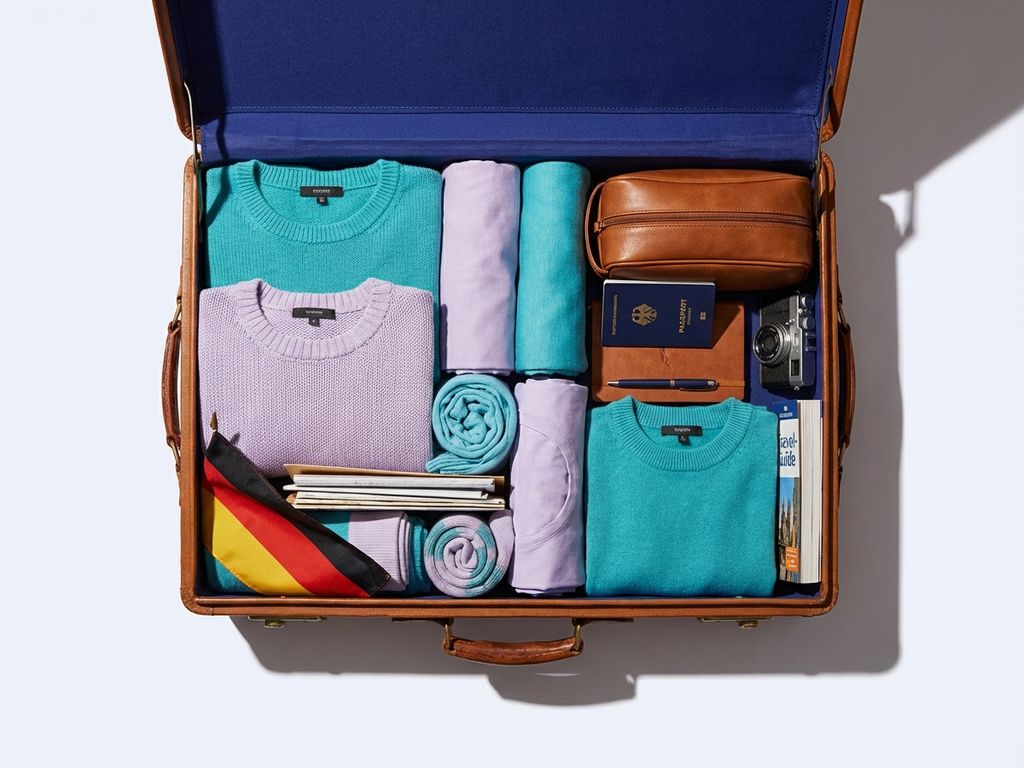
When relocating to Germany, strategic packing involves balancing essential documents, personal belongings, and practical items with shipping costs and local availability. Your Germany moving checklist should prioritise critical paperwork, electronics compatibility, climate-appropriate clothing, and health preparations. Understanding what to pack for Germany versus what to purchase locally helps minimise costs while ensuring a smooth transition to your new home.
What documents should you absolutely pack when moving to Germany?
Critical documents for your Germany relocation include your passport, birth certificate, marriage certificate (if applicable), educational credentials, medical records, and employment documents. You need both original documents and certified copies for different processes. Pack these in your carry-on luggage, never in checked bags.
Your passport must be valid for at least six months beyond your intended stay. Birth certificates and marriage certificates often require apostille certification for German authorities to recognise them. Educational documents, including diplomas and transcripts, need official translation and certification for employment or further education purposes.
Medical records are particularly important for continuity of care. Bring vaccination records, prescription histories, and any specialist treatment documentation. These documents help German healthcare providers understand your medical background and continue appropriate treatments.
Employment-related paperwork includes job contracts, reference letters, and professional certifications. If you’re transferring within a company, bring internal documentation that supports your visa application and work permit process. Having certified copies allows you to submit documents to multiple authorities simultaneously without delays.
Which personal items are worth shipping versus buying new in Germany?
Ship sentimental items, quality furniture, and specialty items that are expensive or difficult to find in Germany. Buy basic household goods, electronics requiring voltage conversion, and heavy items locally to save on shipping costs and customs complications.
Furniture and home décor with personal value justify shipping costs, especially if they’re high-quality pieces that would be expensive to replace. Germany has excellent furniture stores, but building a home atmosphere takes time and money when starting from scratch.
Books, artwork, and hobby equipment specific to your interests often make sense to ship. German bookstores may not carry English-language titles you need, and specialised hobby supplies might be harder to source locally.
Kitchen appliances present a mixed case. Small appliances often require voltage converters, making local purchase more practical. However, if you have professional-grade equipment or specialty items for specific cuisines, shipping might be worthwhile despite electrical considerations.
Clothing in unusual sizes should definitely be shipped, as German sizing standards may differ from those in your home country. Quality winter gear from your home country might also be worth bringing, though Germany offers excellent cold-weather clothing options.
What electronics and appliances work in Germany without expensive modifications?
Smartphones, laptops, and modern electronics with universal power supplies work in Germany with simple plug adapters. Germany uses 230V electricity and Type F plugs, so devices designed for 110V require voltage converters or replacement.
Most modern mobile devices, laptops, and tablets have universal power adapters that handle 100–240V automatically. Check your device’s power adapter label – if it shows “100–240V,” you only need a plug adapter costing a few euros.
Kitchen appliances from 110V countries require expensive voltage converters or won’t work properly. German kitchens typically come with basic appliances, and buying locally ensures proper voltage compatibility and warranty coverage.
Entertainment systems present challenges beyond voltage. DVD players may have region restrictions, and streaming devices might not work with German internet services. Gaming consoles often work with power adapters but may have regional content limitations.
Hair dryers, coffee makers, and other high-wattage appliances rarely work well with converters. The power conversion creates heat and reduces efficiency, often damaging the device. Plan to purchase these items locally for better performance and safety.
How much clothing should you pack for Germany’s climate and culture?
Pack quality winter clothing and professional attire for German workplace standards, plus enough seasonal clothing to last until you can shop locally. Germany’s climate varies by region, with cold winters requiring substantial warm clothing and mild summers needing lighter options.
German winters demand serious cold-weather gear. Temperatures regularly drop below freezing, with snow common from December through February. Quality winter coats, insulated boots, warm gloves, and thermal layers become daily necessities. If you’re moving from a warmer climate, invest in proper winter clothing before arrival.
Professional dress codes in Germany tend toward conservative, well-tailored clothing. Business environments often require formal attire, with dark colours and classic styles preferred. Pack enough professional clothing to make a good impression during your first months while you learn local shopping preferences.
German summers are generally mild, with temperatures rarely exceeding 30°C (86°F). Light layers work better than heavy summer clothing, as evenings can be cool even in July. Rain occurs throughout the year, making waterproof jackets and comfortable walking shoes important additions to your wardrobe.
Regional variations affect clothing needs. Southern Germany experiences more temperature extremes, while northern coastal areas have milder but wetter weather. Research your specific destination’s climate patterns to pack appropriately.
Planning a relocation? Let’s talk.
Get expert guidance from a team trusted for global mobility since 1982.
What medications and health items require special preparation for Germany?
Prescription medications need proper documentation and quantity limits for German customs and healthcare system integration. Bring prescription letters from your doctor, medication packaging with labels, and health insurance documentation to facilitate continuity of care.
German customs allows personal medication quantities of up to a three-month supply with proper documentation. Your doctor should provide letters explaining your medical conditions and prescribed treatments, preferably translated into German. This documentation helps German doctors understand your medical needs and continue appropriate care.
Over-the-counter medications differ between countries. Common pain relievers, cold medicines, and digestive aids available without prescription in your home country might require prescriptions in Germany. German pharmacies (Apotheken) provide excellent service, but familiarising yourself with local equivalents helps avoid confusion.
Vaccination records are important for certain activities and potential medical emergencies. German healthcare providers appreciate complete immunisation histories, especially for tetanus, measles, and other routine vaccinations. Some employers or activities may require specific vaccination proof.
Health insurance documentation is critical for accessing German healthcare. Bring proof of previous coverage, medical history summaries, and any specialist treatment records. Germany’s healthcare system provides excellent care, but having your medical background readily available ensures smoother transitions between healthcare providers.
Moving to Germany requires careful planning and strategic packing decisions that balance practical needs with cost considerations. Focus on essential documents, items with personal value, and climate-appropriate clothing while planning to purchase electronics and basic household goods locally. We at ProfOrg understand the complexities of international relocation and provide comprehensive support to make your transition to Germany as smooth as possible.
Disclaimer: This article is for general informational purposes only and does not constitute legal advice under §2(1) RDG. Proforg is not a law firm and does not provide legal advice. We cooperate with qualified legal partners when legal consultation is required. Please contact us for support with your specific situation.
Related Articles
- Which destination services should be standard in every relocation package?
- Repatriierung: Wie Sie Ihre Auslandserfahrung nach der Rückkehr optimal vermarkten
- The ultimate HR checklist for hiring foreign talent in Germany
- What documents do I need to move to Germany?
- 6 Gründe für professionelle Hilfe bei Entsendung