


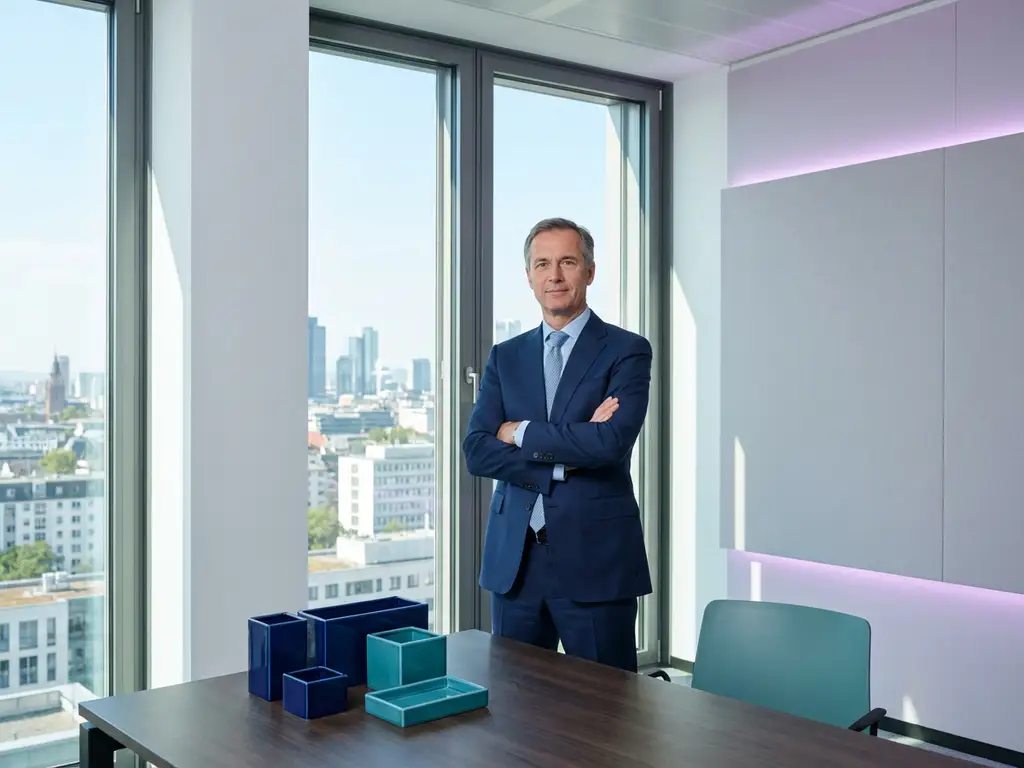
Working in Germany offers international professionals exceptional career opportunities, an outstanding work-life balance, comprehensive social benefits, and competitive compensation packages. The country’s strong economy, advanced industries, and supportive workplace culture make it one of Europe’s most attractive destinations for skilled workers seeking career advancement and a high quality of life.
What makes Germany such an attractive destination for international professionals?
Germany stands out as Europe’s economic powerhouse, with remarkable political stability, a robust job market, and world-leading industries in technology, engineering, and manufacturing. The country serves as a global business hub, with strong international connections and excellent infrastructure that supports professional growth.
The German economy consistently ranks among the world’s strongest, providing job security even during periods of global economic uncertainty. Major international companies choose Germany as their European headquarters, creating abundant opportunities for international talent across sectors such as automotive, technology, pharmaceuticals, and renewable energy.
Germany’s reputation for innovation and quality attracts professionals who want to work with cutting-edge technology and industry-leading practices. The country’s central location in Europe provides excellent access to other markets, making it ideal for professionals seeking international exposure and career development opportunities.
How does Germany’s work-life balance compare to other countries?
German employees enjoy some of the world’s strongest work-life balance protections, with standard working hours of around 35–40 hours per week, generous holiday entitlements of 20–30 days per year, and a strong cultural respect for personal time boundaries.
The German approach to work emphasises efficiency during working hours rather than long days. Most companies respect evenings and weekends, and many have policies against sending work emails outside business hours. Flexible work arrangements are increasingly common, including remote work options and flexible scheduling.
Parental leave benefits in Germany are exceptionally generous, offering up to 14 months of paid leave that can be shared between parents. This support extends to childcare services and family-friendly workplace policies that help international professionals maintain career momentum while raising families.
What career advancement opportunities can international professionals expect in Germany?
Germany offers structured professional development through comprehensive training programmes, mentorship opportunities, and clear advancement pathways within established corporate hierarchies. Many companies invest heavily in employee development and exposure to international projects.
German companies are known for their systematic approach to professional development, often providing extensive training programmes, language courses, and certification opportunities. The apprenticeship system also extends into professional roles, offering structured learning paths even for experienced international hires.
The country’s position as a European business centre means professionals often gain exposure to international markets and cross-border projects. Many German companies actively promote internal mobility, offering opportunities to work in different departments, locations, or international subsidiaries as part of career development.
What social benefits and job security do workers receive in Germany?
Germany provides comprehensive social insurance that covers healthcare, unemployment protection, pension contributions, and disability insurance. These benefits create exceptional job security and financial protection for international workers and their families.
The German social insurance system covers approximately 80% of healthcare costs, including dental care, prescription medications, and specialist treatments. Unemployment protection provides financial support during job transitions, while the pension system ensures long-term financial security.
Employment protection laws in Germany are robust, requiring employers to follow strict procedures for dismissals and providing employees with substantial notice periods. These protections create a stable work environment in which professionals can focus on career development without constant concerns about job insecurity.
How does the German salary and compensation structure benefit international professionals?
German salaries are competitive across Europe, and additional benefits such as company cars, meal allowances, and performance bonuses create comprehensive compensation packages. The tax system includes various deductions and family benefits that can reduce the overall tax burden.
Beyond base salaries, many German companies offer attractive benefit packages, including company vehicles, subsidised meals, gym memberships, and additional pension contributions. Performance bonuses are common in many industries, particularly in the technology and finance sectors.
The German tax system provides various deductions for work-related expenses, professional development, and family circumstances. International professionals can often benefit from tax advantages during their initial years in Germany, and overall compensation often compares favourably with other major European markets when considering the total package.
Planning a relocation? Let’s talk.
Get expert guidance from a team trusted for global mobility since 1982.
What should international professionals know about German workplace culture and integration?
German workplace culture values punctuality, direct communication, and thorough preparation. Professional relationships tend to be formal at first but develop into supportive networks over time. Understanding these cultural norms helps international professionals integrate successfully into German work environments.
Business communication in Germany is typically direct and straightforward, which international professionals may initially find blunt but often come to appreciate for its clarity. Meetings are well structured, with clear agendas, and punctuality is essential for building professional credibility.
Language requirements vary by role and industry, but learning German significantly improves career prospects and workplace integration. Many companies offer German language courses as part of their relocation support, and colleagues are generally supportive of international team members as they develop their language skills. For comprehensive support with German mobility and relocation services, professional assistance can streamline the transition process.
How ProfOrg helps with working in Germany
ProfOrg provides comprehensive support for international professionals seeking to build successful careers in Germany. Our services address the complex challenges of relocating and establishing yourself professionally in a new country:
• Visa and work permit guidance – Navigate German immigration requirements with expert support
• Employment documentation – Assistance with contract reviews and workplace legal requirements
• Professional integration – Cultural orientation and networking support for workplace success
• Ongoing compliance – Ensure all legal requirements are met throughout your career in Germany
Don’t let bureaucratic complexity delay your German career ambitions. Contact ProfOrg today to begin your professional journey in Germany with confidence and expert support.
Disclaimer: This article is for general informational purposes only and does not constitute legal advice under §2(1) RDG. Proforg is not a law firm and does not provide legal advice. We cooperate with qualified legal partners when legal consultation is required. Please contact us for support with your specific situation.
Related Articles
- Fachkräfteeinwanderungsgesetz 2026: Welche Neuregelungen HR jetzt umsetzen muss
- Lokale Einstellung vs. Entsendung: Ein Kosten-Nutzen-Rechner für HR
- Fachkräftemangel bekämpfen: Internationale Rekrutierung als Lösung
- 3 unwritten rules of German work culture explained
- Lohnt sich eine internationale Mitarbeiterentsendung finanziell?