


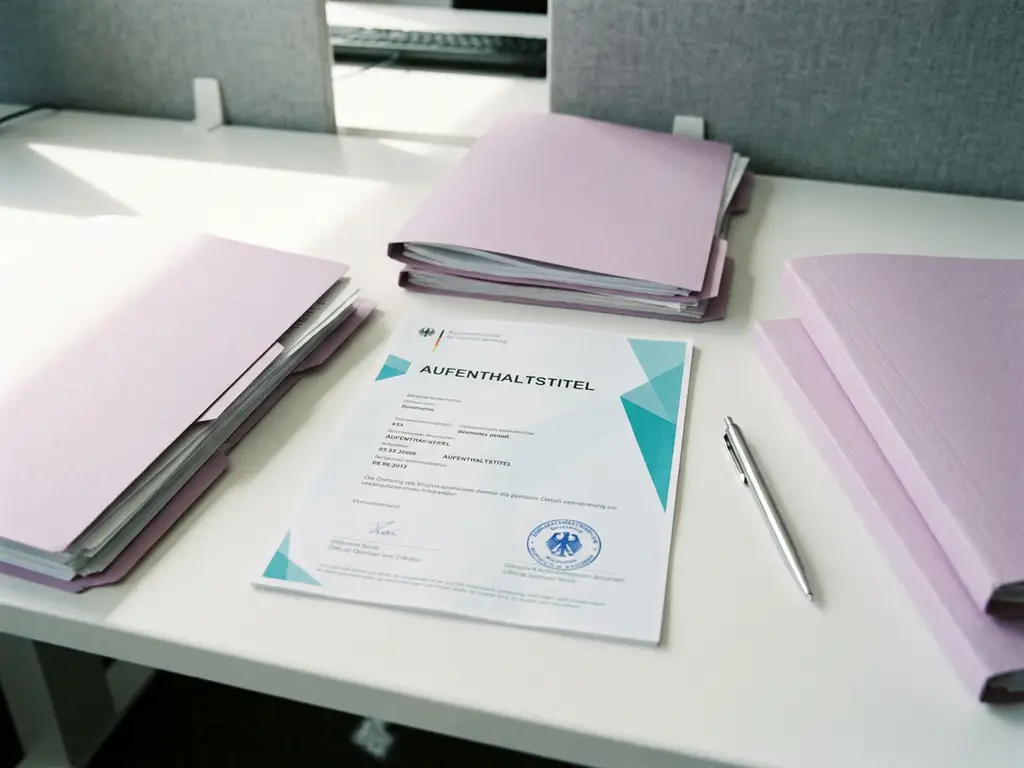
Renewing your German residence permit requires starting the application process at least 6-8 weeks before your current permit expires. The renewal involves submitting updated documents, paying fees ranging from €93-110, and attending appointments at your local immigration office. Processing times typically take 4-8 weeks, though this varies by location and permit type.
Why does late permit renewal put your career at risk?
Starting your German residence permit renewal too late creates a cascade of professional problems that can derail your career momentum. If your permit expires while renewal is pending, you may face work restrictions or a complete employment suspension, forcing you to explain gaps to employers and potentially lose project opportunities or promotion prospects. The stress of uncertain legal status affects your performance and decision-making, while emergency processing fees can cost significantly more than standard renewal rates. To protect your career continuity, mark your calendar to begin the renewal process exactly 8 weeks before expiration, ensuring all documents are prepared and appointments are scheduled with an adequate buffer.
What happens when missing documents delay your application for months?
Incomplete documentation is the primary cause of residence permit renewal delays, often extending processing times from weeks to months and creating legal limbo that affects your entire family’s stability. Missing apostilles, outdated employment contracts, or incorrect translations can trigger rejection letters that reset your application timeline, while your current permit edges closer to expiration. This uncertainty impacts housing decisions, children’s school enrollment, and family planning, as you cannot make long-term commitments without confirmed legal status. Prevent these delays by creating a document checklist 10 weeks before renewal, verifying all requirements with your local immigration office, and securing certified translations well in advance of your application submission.
When should you start the Germany residence permit renewal process?
You should begin your German residence permit renewal process 6-8 weeks before your current permit expires. German immigration offices recommend this timeline to account for potential delays in document preparation, appointment scheduling, and processing times. Starting early ensures you have adequate time to gather required documents, obtain necessary translations and apostilles, and schedule your appointment at the local immigration office.
The exact timing may vary depending on your location and the type of residence permit you hold. Major cities like Berlin, Munich, or Hamburg often have longer appointment wait times, sometimes extending 2-3 weeks, making early planning essential. For EU Blue Card holders or those with specific employment-based permits, additional documentation from employers may be required, adding extra time to the preparation process.
We recommend creating a renewal timeline that works backward from your expiration date. Mark key milestones, including document collection deadlines, translation completion dates, and appointment booking targets. This structured approach helps prevent last-minute rushes that can lead to errors or missed deadlines in your application.
What documents do you need for residence permit renewal in Germany?
The core documents required for German residence permit renewal include your current passport with at least 12 months of validity remaining, your existing residence permit, a completed application form, and recent biometric photographs meeting German specifications. You’ll also need proof of health insurance coverage, evidence of sufficient financial resources, and documentation of your current living situation through rental agreements or property ownership papers.
Employment-based renewals require additional workplace documentation, including an updated employment contract, recent salary statements, and potentially a new job confirmation letter from your employer. If your employment situation has changed since your initial permit, you may need labor market approval or updated qualification certificates, particularly for specialized professions in healthcare, engineering, or technology sectors requiring German corporate immigration expertise.
Family-related documents are necessary if your circumstances have changed, such as marriage certificates, birth certificates for children, or divorce decrees. All foreign documents must include certified German translations and appropriate apostilles or legalizations. The specific requirements can vary by immigration office and permit type, so confirming the exact document list with your local authority prevents delays and ensures complete submission.
How much does it cost to renew a residence permit in Germany?
The standard fee for renewing a residence permit in Germany ranges from €93 to €110, depending on the specific permit type and duration of renewal. EU Blue Card renewals typically cost €110, while general employment-based residence permits cost €93. These fees are paid directly to the immigration office and must be settled before your new permit is issued.
Additional costs often include document preparation expenses such as certified translations, which range from €25-50 per document, and apostille services for foreign documents, typically costing €10-25 per document. Professional photographs meeting biometric requirements cost approximately €10-15, while potential travel costs for multiple appointments should also be factored into your budget.
Some circumstances may incur higher fees, such as express processing in urgent situations or fees for missed appointments that require rescheduling. If your renewal involves changing permit categories or requires additional legal consultation, these services carry separate costs. Planning for total expenses of €200-300 provides a realistic budget that covers standard fees plus necessary supporting services for most renewal situations.
Planning a relocation? Let’s talk.
Get expert guidance from a team trusted for global mobility since 1982.
What happens if your residence permit expires before renewal?
If your residence permit expires before renewal approval, you enter a legal gray area that can significantly impact your daily life and long-term plans in Germany. While submitting your renewal application before expiration typically provides some protection under German law, an expired permit creates uncertainty about your legal status and may affect your ability to work, travel, or access certain services.
Employment consequences are often immediate and serious. Many employers require valid residence documentation for continued employment, and an expired permit may trigger temporary work suspension or administrative leave until renewal is completed. This affects your income, professional relationships, and career progression, particularly in regulated industries with strict compliance requirements where comprehensive German mobility support is essential.
Travel restrictions become a critical concern, as leaving Germany with an expired permit may prevent your return, even with a pending renewal application. Banking, housing, and insurance services may also be affected, as many providers require current residence documentation for ongoing services. Professional relocation management services can help navigate these challenges. To avoid these complications, we strongly recommend submitting renewal applications well before expiration and maintaining close contact with your immigration office throughout the process.
How long does the residence permit renewal process take in Germany?
The residence permit renewal process in Germany typically takes 4-8 weeks from application submission to permit issuance, though processing times vary significantly by location and application complexity. Major metropolitan areas like Berlin, Munich, and Frankfurt often experience longer processing periods due to higher application volumes, sometimes extending to 10-12 weeks during peak periods.
Several factors influence processing speed, including the completeness of your application, the need for additional document verification, and the current workload at your local immigration office. Straightforward renewals with no changes to employment or family status generally process faster, while applications involving job changes, permit category modifications, or additional family members require more extensive review.
During processing, you typically receive a temporary confirmation document that validates your legal status while awaiting the new permit. This interim documentation allows continued employment and residence but may have travel restrictions. We maintain regular contact with immigration offices throughout the process, providing status updates and addressing any additional requirements that arise, helping ensure timely completion of your renewal application. For personalized assistance with your specific situation, please contact us to discuss your renewal needs.
Disclaimer: This article is for general informational purposes only and does not constitute legal advice under §2(1) RDG. Proforg is not a law firm and does not provide legal advice. We cooperate with qualified legal partners when legal consultation is required. Learn more about us and our commitment to supporting your German residence permit renewal journey.
Related Articles
- When should HR arrange home-finding support for an employee moving to France?
- 6 questions to ask before signing any contract in Germany
- 7 Anzeichen, dass Ihr Global-Mobility-Programm ein Update braucht
- Wie optimiere ich die Sozialversicherung bei Auslandsentsendung?
- How does maternity leave work in Germany for foreign employees?